

At a glance
How do you call a customer about an unpaid invoice?
Prepare the call (invoices concerned, history, the right contact), state the purpose straight away, listen to the reason for the delay, then get a firm commitment: an amount and a date. Confirm it in writing straight after and schedule the follow-up. Stay courteous and factual: the goal is a dated promise to pay, not a showdown.
A reminder email can go unanswered. A phone call almost always gets you two things no letter does: the real reason for the delay and a commitment. It's also the step people put off the most. Here's how to handle it.
When to call
The phone takes over when one or two written reminders have gone unanswered. For a large amount or a key customer, call earlier, sometimes in the first few days after the due date.
Before the call: five minutes of preparation
- The invoices: numbers, amounts, due dates, days overdue.
- The history: reminders already sent, replies received, previous promises, any dispute.
- The contact: the person who processes or approves payments, not necessarily your sales contact.
- Your room for manoeuvre: the date you're aiming for, the payment plan you can accept, and who can approve it.
The call in five steps
- Introduce yourself and check you're speaking to the right person.
- State the facts, without apologising or accusing.
- Ask an open question and listen.
- Get a commitment: an amount, a date, a payment method.
- Sum up and say you'll confirm in writing.
A sample script:
"Hello, this is (first name, last name) from (company). I'm calling about invoice number (reference), for (amount), which was due on (date). Unless I'm mistaken, we haven't received payment yet. Could you tell me where it stands?"
(Listen to the answer.)
"I understand. On what date can the payment go out?"
"Great, I'll note a transfer of (amount) on (date). I'll send you an email confirming this right away. Thank you for your help."
Handling the most common objections
| What the customer says | What you reply |
|---|---|
| "I never received the invoice." | You resend it during the call and agree on a payment date. |
| "It's waiting for approval." | You ask who approves it and when, then call back on that date. |
| "We're having cash flow problems." | You offer a written payment plan, with a first instalment straight away. |
| "There's a problem with the delivery." | You set aside the disputed part, get the rest paid and pass the dispute on. |
| "I'm not the right person." | You get the name, direct line and email address of the person who is. |
After the call
- Confirm the commitment in writing the same day.
- Log the call in the customer's file.
- Set a reminder for the promised date.
- If the promise to pay isn't kept, move straight to the next step, usually a formal notice.
What to avoid
Threats, calling too often, agreements with no written record and vague promises ("as soon as possible", "end of the month"): a promise without a date is not a promise.
Where AI fits in
The obstacle isn't the method, it's the volume: when the workload rises, calls are the first thing to go, even though they make the difference.
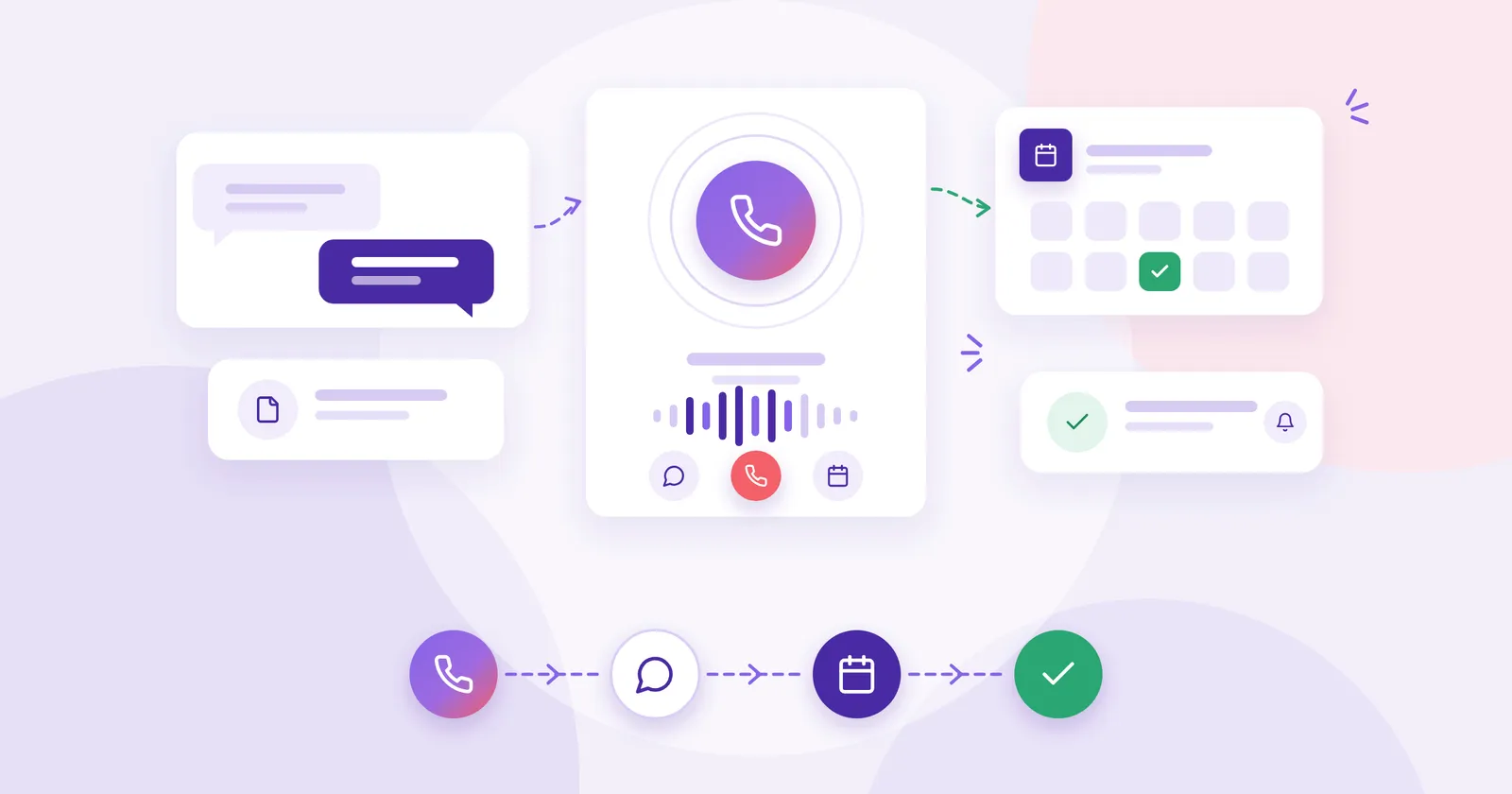
A voice agent solves this. In Recovr, it makes the reminder call, secures the payment commitment and the relevant details, sends the customer a summary, suggests the next step and creates the follow-up task for the account owner. Every call that should be made gets made, and each one leaves a record.
The team keeps what takes judgement: key accounts, disputes, negotiations. Two rules of good practice: make it clear the call is made by an AI assistant, and let the customer reach a person. For more on what AI already does in collections, see AI in collections.
Frequently asked questions
Usually after one or two written reminders have gone unanswered. For a large amount or a key customer, call earlier, in the first few days after the due date.
The person who processes or approves payments, usually in accounts payable. Your sales contact can help you find them.
Yes, the same day. The confirmation email sets out the amount and date promised, and provides a record if the case needs to go further.
Try different times, look for another contact, suggest a time slot by email. If nothing works, move on to a formal step such as a formal notice.
Yes. A voice agent can make the call, secure a promise to pay, send the summary and create the follow-up task. Sensitive calls stay with the team.
Reminder calls that no longer slip
With Recovr, AI makes the scheduled calls and your team keeps the sensitive accounts in hand.