

At a glance
Can you hand invoice follow-up over to AI?
Largely, yes. AI can already tailor reminders to each customer, read and sort debtor emails, draft replies, make reminder calls and flag at-risk customers. Sensitive decisions stay with people: granting extra time, settling a dispute, starting legal action. The right model: AI does the work, the team makes the calls.
Every payment reminder tool now claims to be "AI-powered". Behind the label, the reality varies a lot. To know what you can really delegate, start by separating two things.
Automation and AI are not the same thing
Automation applies rules: this reminder, at this point, for this type of customer. It has been around for a long time and remains the foundation of reliable follow-up.
AI handles what rules can't read: a free-form email, a phone conversation, a change in payment behaviour. It understands, summarises, drafts and suggests.
The two work together. Rules set the framework, and AI takes over everything that used to need a person to read it.
What AI already does
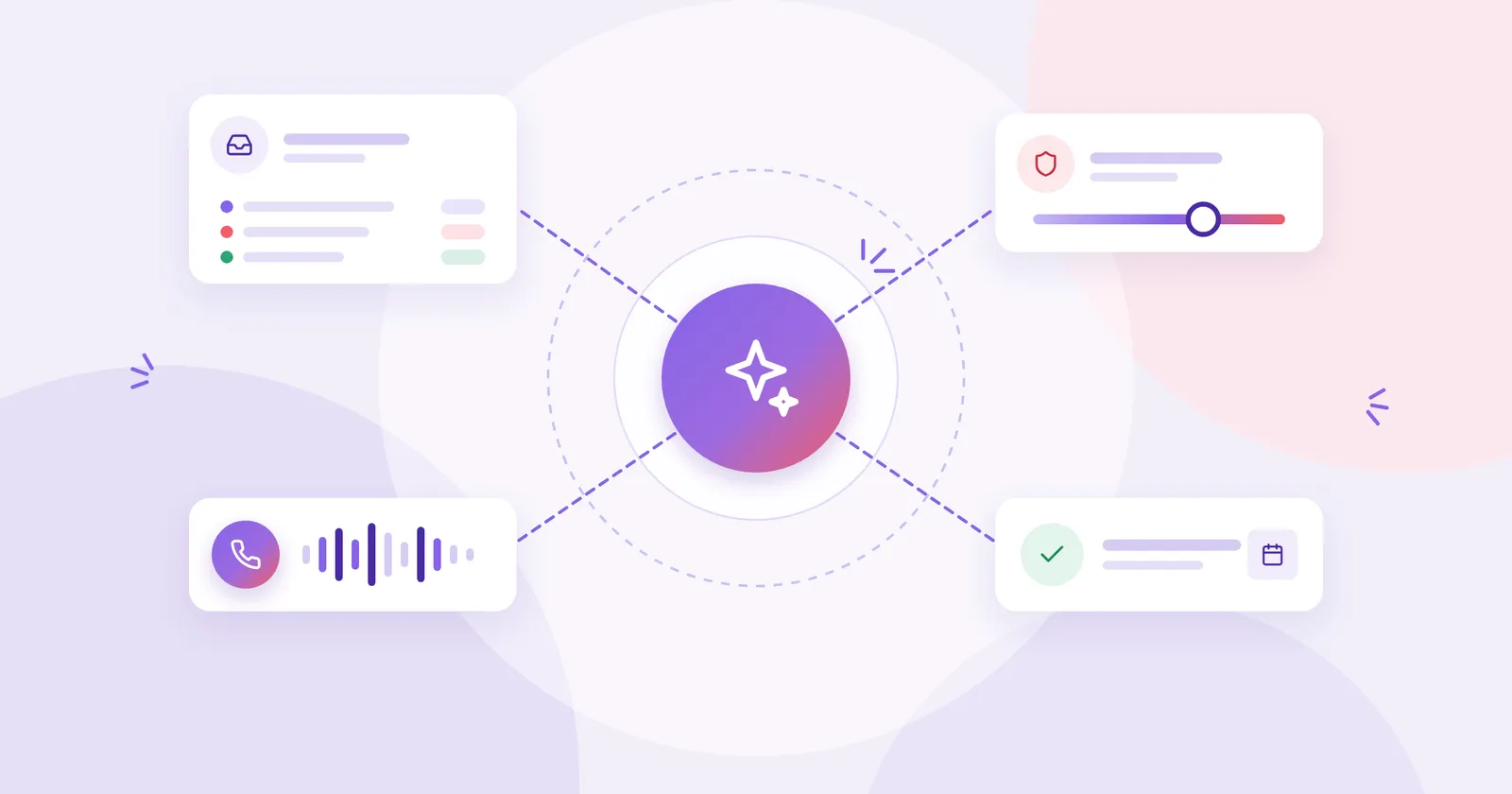
Handling incoming emails. This is the most time-consuming task in collections, and where AI adds the most. A request for an invoice copy, a promise to pay, a dispute, a new contact person: AI reads each message, classifies it, assigns it to the right person and drafts the reply, which the team approves. In Recovr, that's the job of the Smart Inbox.
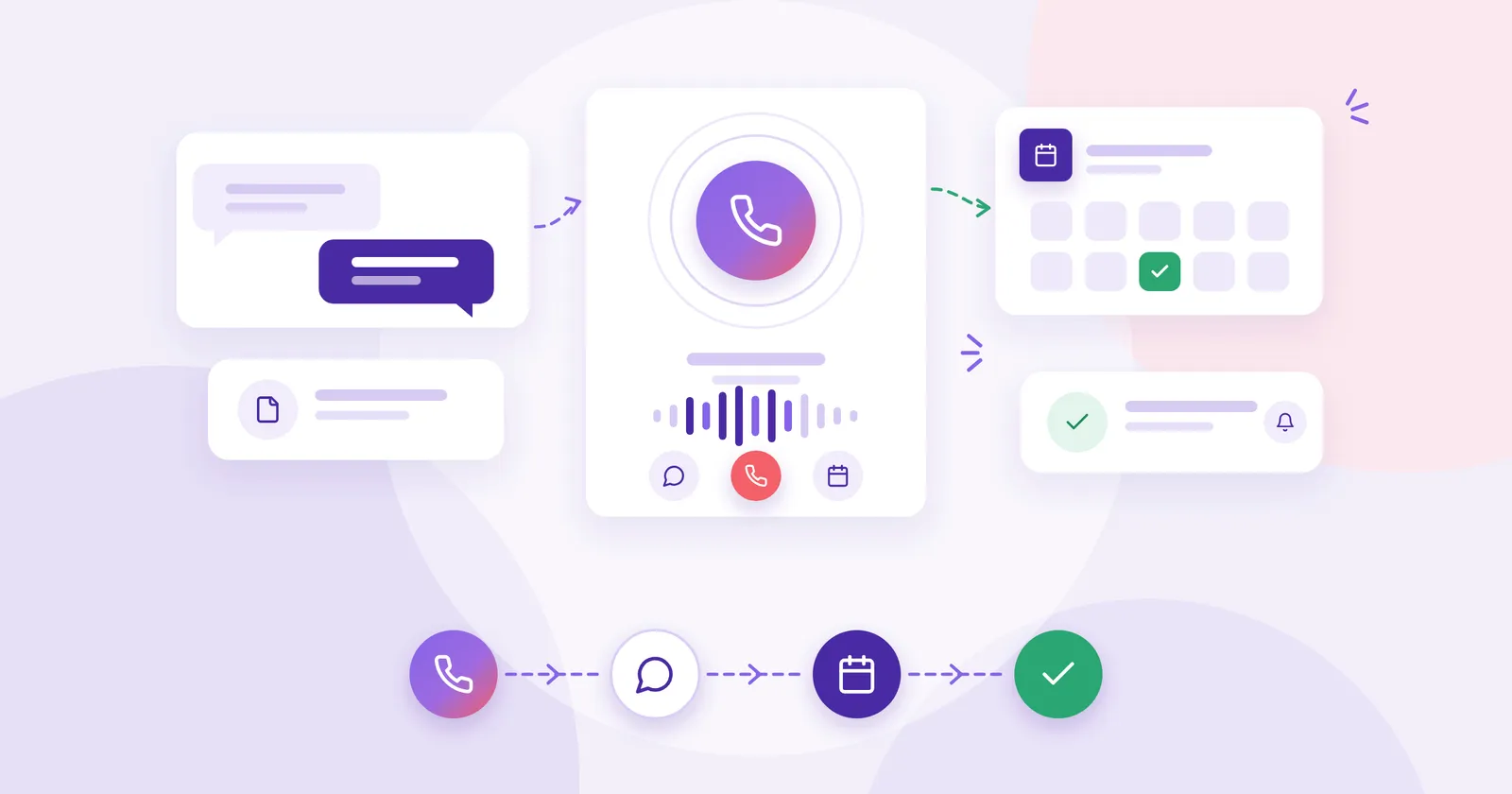
Making reminder calls. A voice agent calls the customer, secures a payment commitment and the relevant details, sends the summary, suggests the next step and creates a follow-up task for the account owner. For how to run a good collection call yourself, see our guide to chasing an unpaid invoice by phone.
Spotting at-risk customers. By tracking payment behaviour, AI flags accounts that are deteriorating and recommends an action you can launch in one click. That's what Recovr's AI credit manager does.
Tailoring messages. The debtor's language, the tone, the context of the account: a reminder is no longer the same template for everyone.
What AI doesn't do, and shouldn't do alone
- Make a commercial concession or agree an unusual payment plan. That's a management decision.
- Settle a dispute on the merits. A contested delivery or service needs someone who knows the account.
- Decide to take legal action. Escalating affects the business relationship: the choice belongs to the company.
- Own the relationship with a key account. Some customers should keep a human contact.
- Fix bad data. If a payment hasn't been recorded, AI will send a reminder by mistake. Its reliability depends on an up-to-date connection with the ERP or accounting software.
Guardrails to put in place
- Human approval where there is risk, for example on replies sent to customers.
- Transparency: the customer knows they are dealing with an AI assistant and can ask to speak to a person.
- A clear scope: which customers, amounts and steps are handed to AI, and which are excluded.
- A record of every action, available to the team.
- Indicators you track: DSO, CEI, promises to pay kept, response time to customers.
Where to start
The simplest approach is to follow the order of the gains: incoming emails first, reminder calls next, risk management last. Each step frees up time for what AI doesn't do: disputes, negotiation, key accounts.
That's Recovr's approach: AI built into the collections software, on the tasks that weigh most, within a rules framework the company controls. The result for our customers: payment times 30 to 50% shorter within 3 to 6 months, and five times less time spent on invoice follow-up.
Frequently asked questions
No. It takes on the repetitive tasks (sorting emails, reminders, simple calls) and shifts the team's role towards disputes, negotiation and sensitive accounts.
An automated reminder follows rules set in advance. AI understands a message or a conversation, extracts the useful information and suggests what to do next. A good tool combines both.
The risk is low if the call is announced as such, stays courteous and factual, and lets the customer reach a person. Sensitive accounts can be left out of scope.
Up-to-date invoices, due dates and payments from the ERP or accounting software (through a connector, an import or the API), plus the history of exchanges with each customer.
Yes. The gain doesn't only come from bad payers: invoices that are eventually paid still need following up. Companies using Recovr spend five times less time on invoice follow-up and cut their payment times by 30 to 50%.
AI at the heart of invoice follow-up
Recovr sorts your customers' replies, makes reminder calls and flags at-risk accounts, within your rules.